Rising Sea Levels
What they are and how they have affected the Pacific Islands
Overview
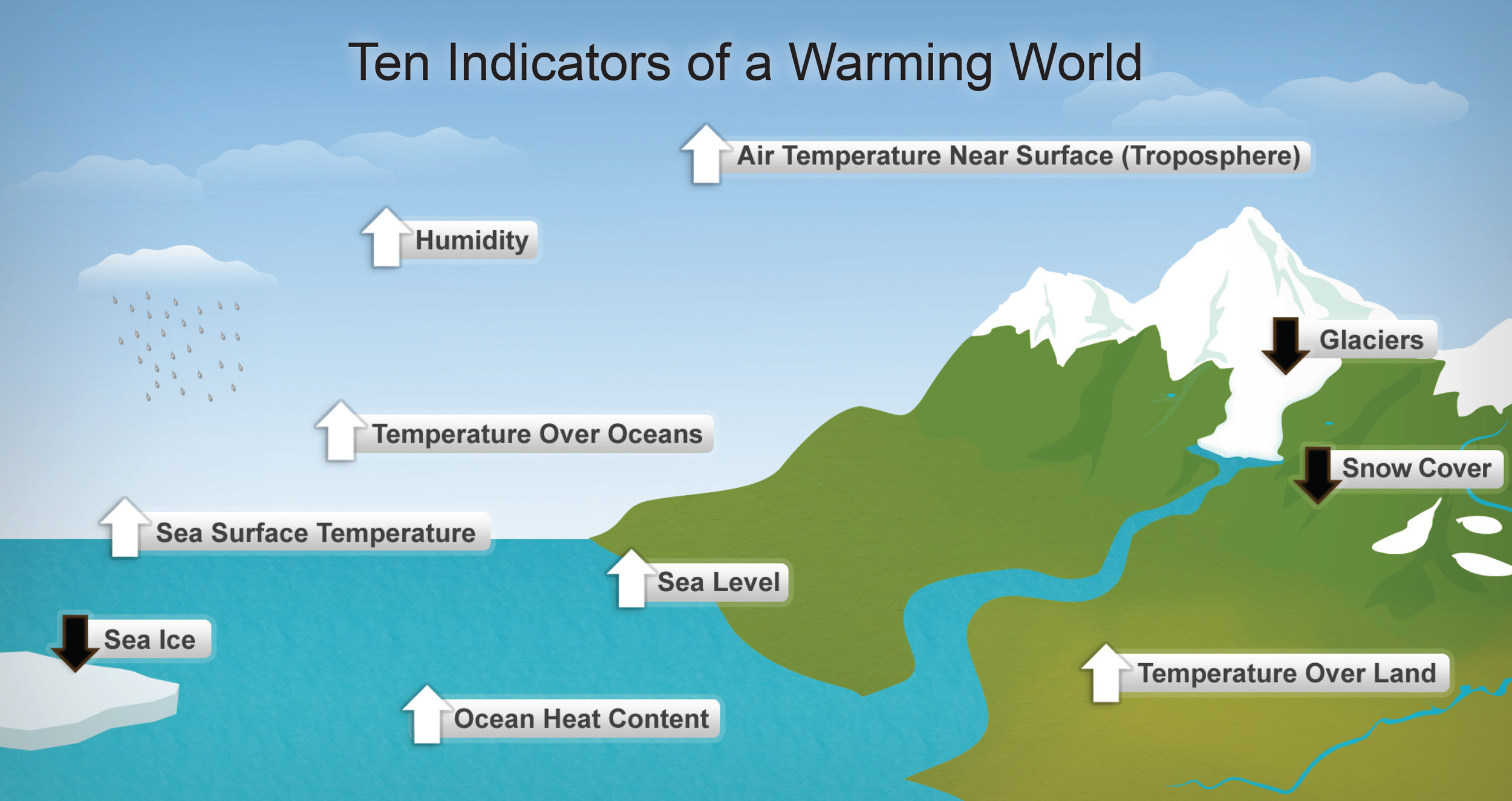
Rising sea levels are primarily caused by global warming. As the Earth’s temperature rises, oceans undergo a process called thermal expansion (when oceans warm, they begin to expand). As the waters begin to expand, more space will be taken up in the ocean, which will naturally cause sea levels to rise without additional water being added.
Global warming is also causing glacial meltdown in Greenland and Antarctica. This directly contributes to rising sea levels because, as ice caps flow into the ocean, they will eventually melt and add additional water to the ocean, affecting sea levels worldwide.
Human activities also contribute to rising sea levels. Companies that emit greenhouse gases into the atmosphere are directly contributing to global warming because these gases, such as nitrous oxide, carbon dioxide, and methane, absorb heat into the atmosphere and prevent it from escaping.
As a result of these causes, coastal Pacific communities in low-lying regions experience the direct effects of rising sea levels through frequent flooding, soil erosion, and saltwater intrusion. And if we don’t start doing anything now, many of these communities will face mass displacement in the years to come.
Why the Pacific?
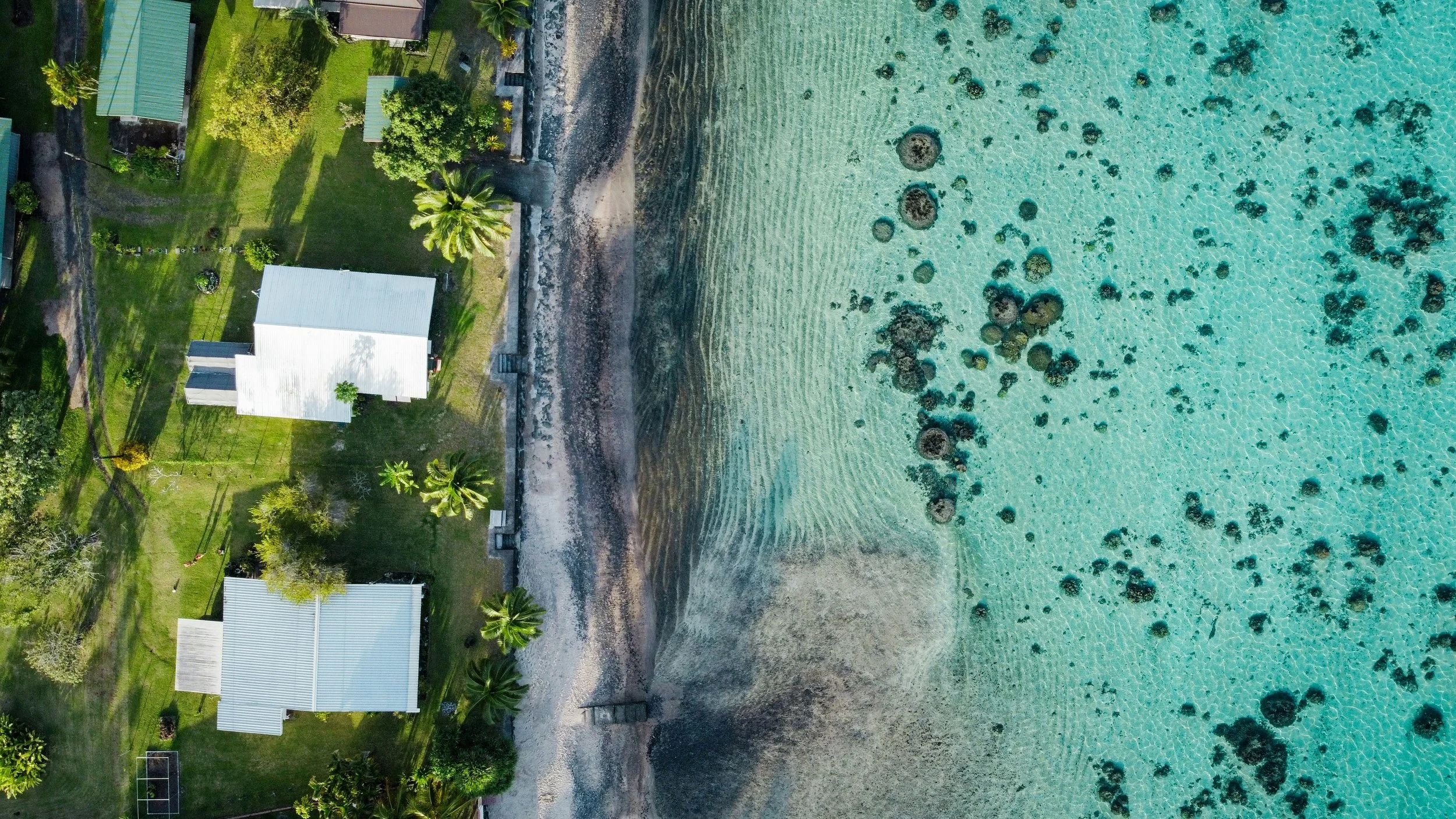
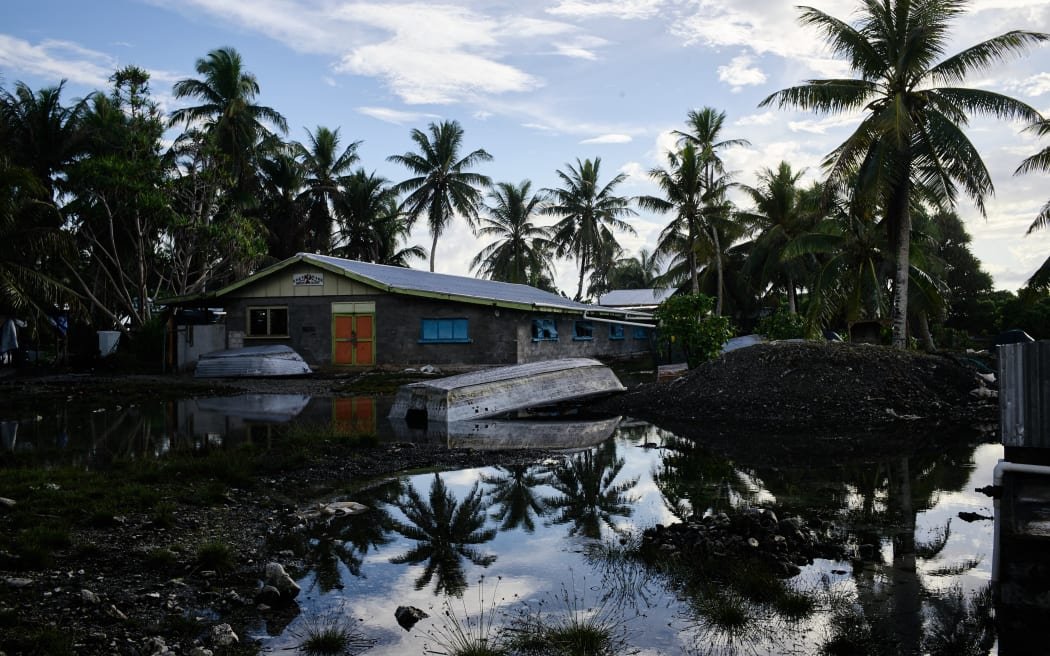
Rising sea levels are having some of the most severe immediate impacts on the Pacific Islands, as many of the islands sit only a few feet above sea level and are surrounded by ocean. Even a sea level rise of just a few inches can be disastrous and lead to widespread flooding for many low-lying atoll nations.
Effects on the Pacific
The Pacific Islands are experiencing some of the earliest impacts of rising sea levels and are facing some of the most severe effects, threatening traditions, infrastructure, resources, and communities.
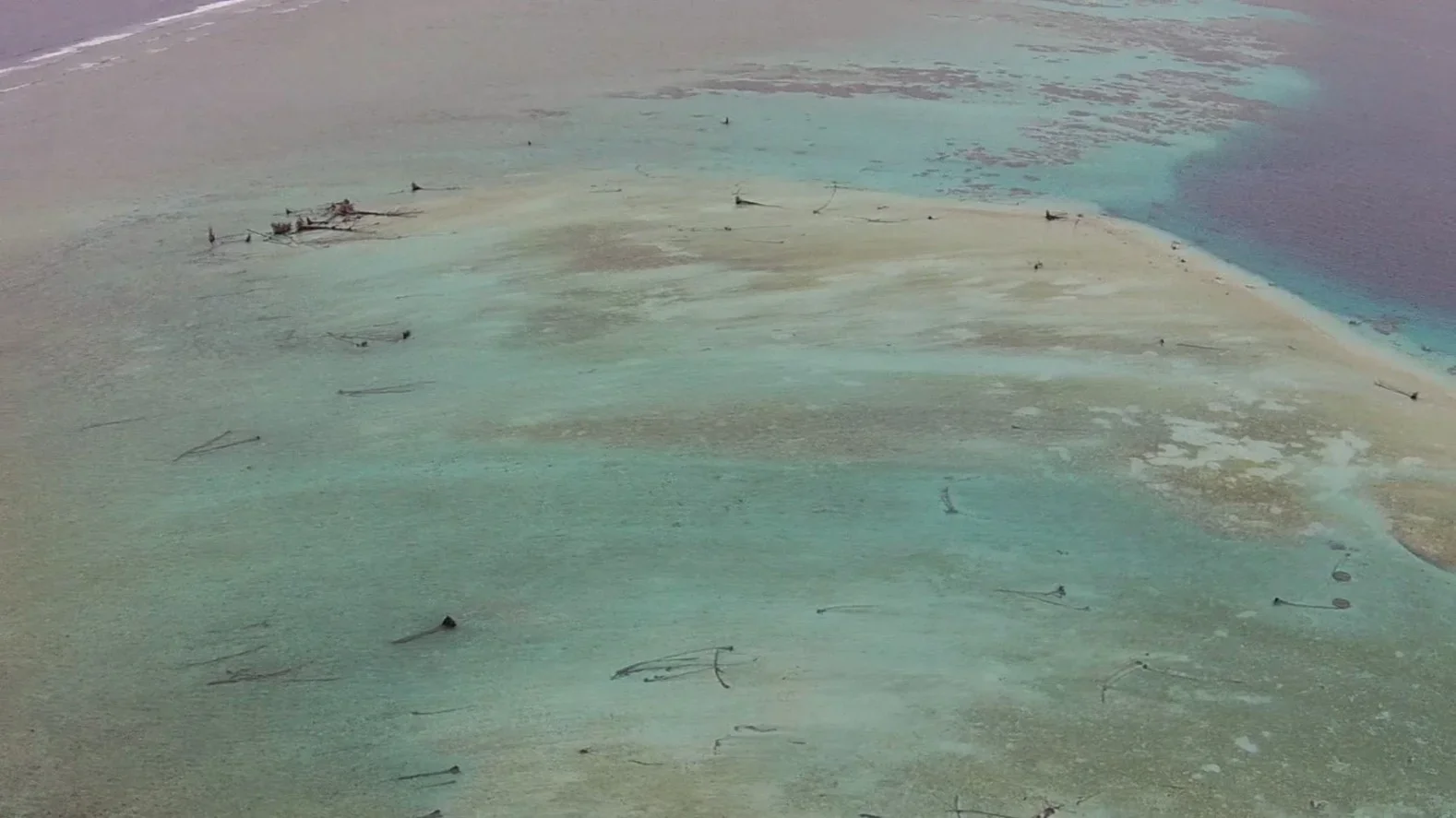
As oceans continue to rise, flash flooding becomes more frequent, damaging homes, roads, and critical infrastructure. As a result of this flooding, many water systems that give Islanders access to fresh drinking water are being intruded upon by saltwater. Not only does saltwater intrusion affect filtration systems, but it also contaminates arable land that is used for farming, meaning rising sea levels have a direct effect on Pacific Island food sources, too. Due to shoreline erosion caused by rising sea levels, land is being lost at a rapid pace in the Pacific, forcing some communities and families into displacement.
Beyond physical impacts, rising sea levels also threaten the survival of Pacific heritage and cultural identity. Due to rising sea levels, many pieces of land deemed as ancestral land, burial sites, and those that hold cultural significance will either be washed away or already have been washed away by the ocean. Altogether, these impacts place Pacific Islanders among some of the most vulnerable communities to the effects of climate change.
What are the Solutions?
Protecting Pacific communities requires a combination of local adaptation and global action. One way in which we can strengthen the Pacific’s resilience against rising sea levels is through coastal defense mechanisms, such as micro seawalls and improved drainage systems. These systems will ultimately help reduce the effects of flooding and coastal erosion.
A cheaper and more sustainable solution to reducing sea levels is through natural barriers such as mangroves, seabeds, and coral reefs, which help absorb wave energy and reduce erosion while still supporting ecosystems.
While these solutions provide Pacific Islanders with immediate protection from rising sea levels, a long-term solution to this crisis depends on reducing global warming. This can be achieved through global cooperation to reduce greenhouse gas emissions and increased funding towards climate-friendly resources. Indy Pacifica’s goal is not only to provide these immediate solutions to Islanders in need, but also to raise global awareness around rising sea levels so that we can work towards achieving the ultimate long-term goal of reducing global warming.