Education Overview
Learn more about the cultural and historical significance of the Pacific Islands and the effects of rising sea levels.
Overview of the Pacific Islands
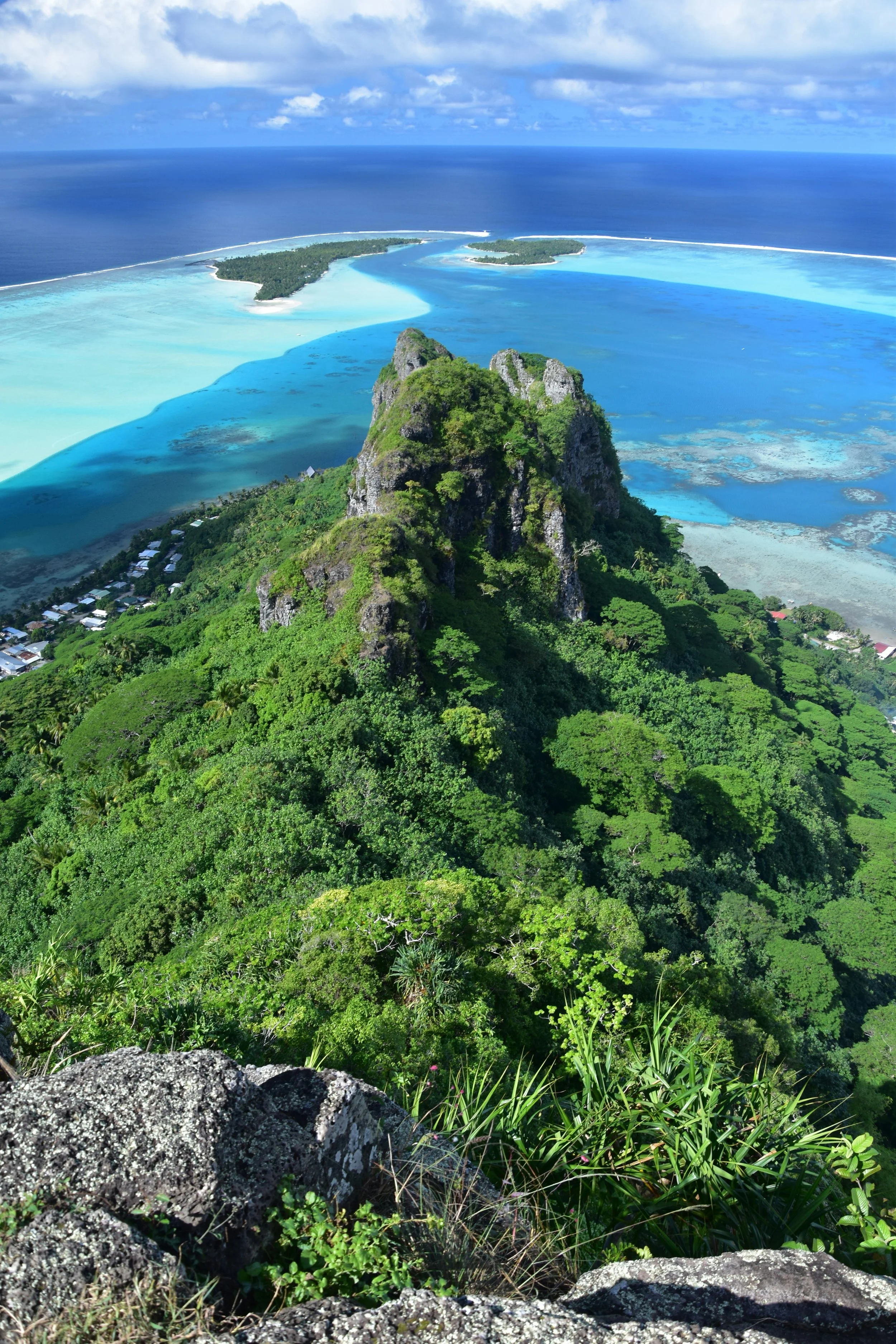
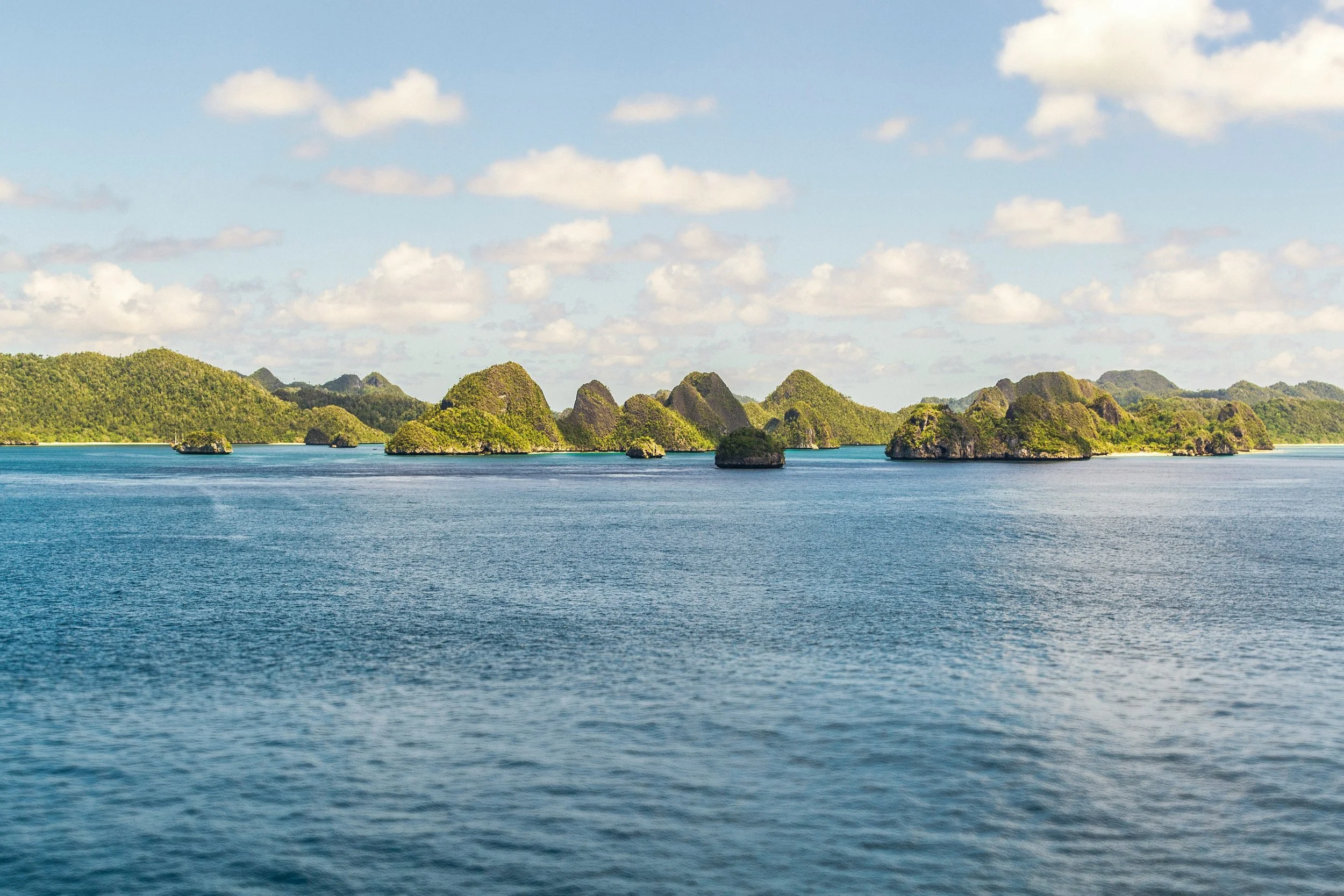
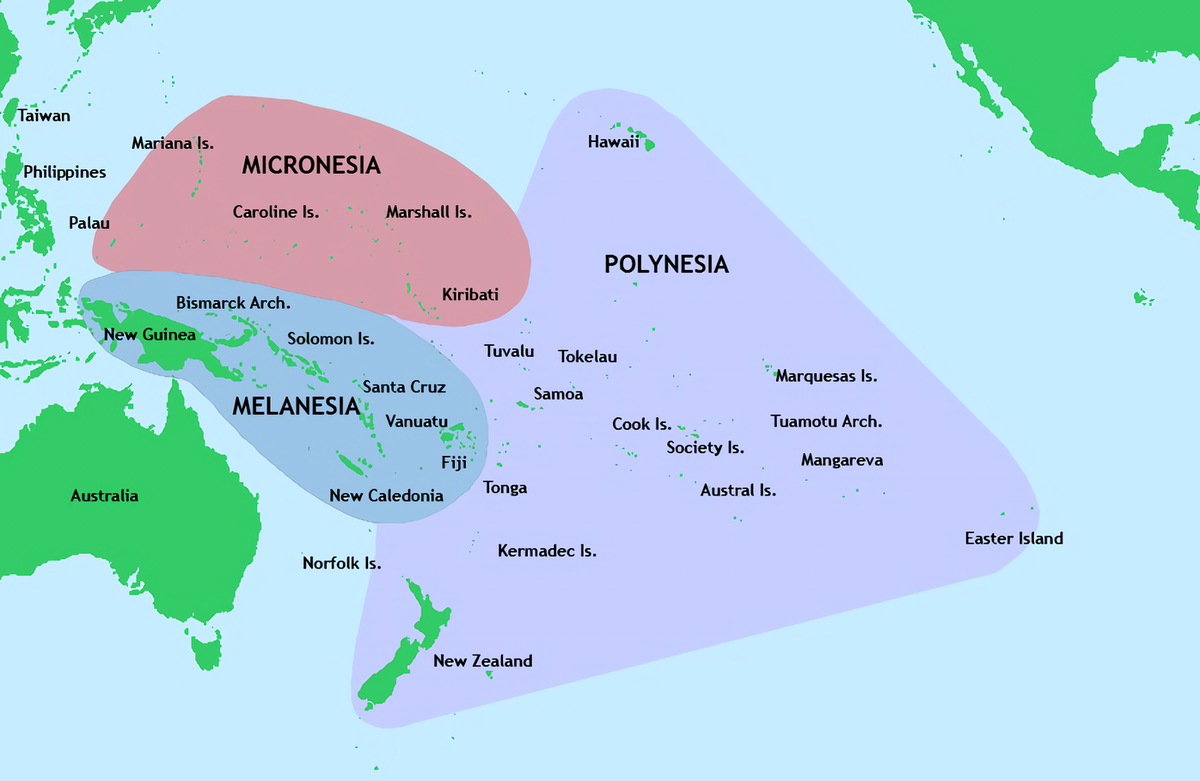
The Pacific Islands are a vast and diverse region of thousands of islands spread across the Pacific Ocean, home to millions of people who share a rich indigenous culture that has thrived for centuries. The Pacific Islands are divided into three subregions: Micronesia, Melanesia, and Polynesia. They also comprise 15 sovereign island nations that possess their own unique cultural and historical values.
Pacific Island communities share deep spiritual and cultural connections to the ocean and the land, which shape their traditions, livelihoods, and way of life. Many Pacific Islands are low-lying, and communities often depend upon coastal ecosystems for food, freshwater, and protection from flooding and storms.
Today, Pacific Island communities are among the most vulnerable regions to climate change, as many nations are experiencing the early forms of it through rising sea levels. Rising sea levels, flooding, soil erosion, saltwater intrusion, and many other climate factors threaten the infrastructure, homes, freshwater resources, and the overall way of life for many Pacific coastal communities. Despite contributing little to global greenhouse gas emissions, the Pacific Islands are experiencing some of the most severe immediate impacts of climate change.
If we want change, we have to Start Now!
Micronesia
Location
Western Central Pacific Ocean, north of the equator
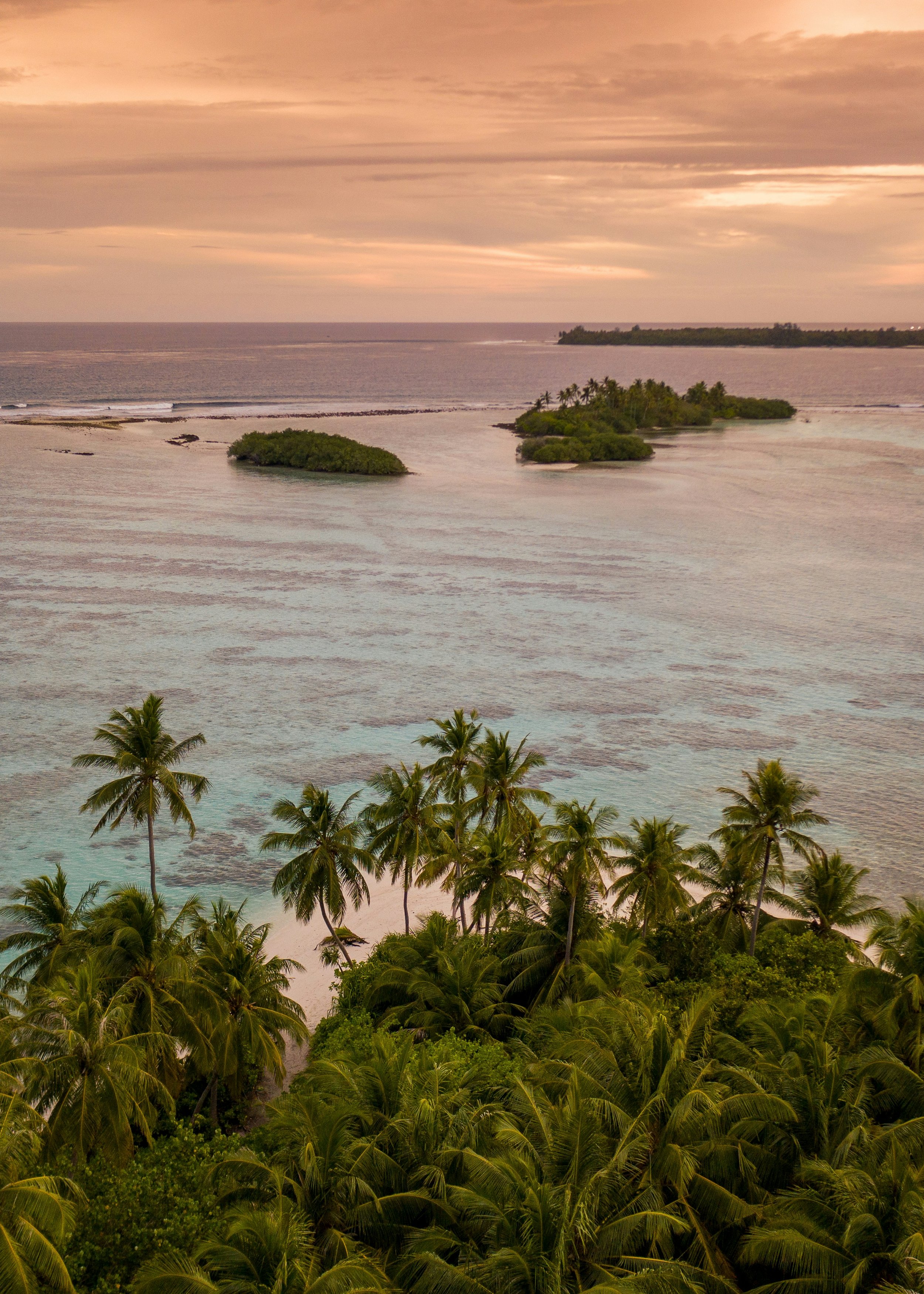
Islands are mostly low-lying coral atolls
Nations
FS. Micronesia, Palau, Marshall Islands, Kiribati, Nauru, Guam, and Northern Mariana Islands
Population ~ 528,000
Rising Sea Level Impacts
Chronic flooding and coastal erosion
Saltwater intrusion contaminating freshwater supplies
Have experienced loss of arable land, threatening displacement
Melanesia
Location
Southwestern Pacific Ocean
Consists of more mountainous islands
Nations
Papua New Guinea, Solomon Islands, Fiji, and New Caledonia
Population ~ 13,160,000
Rising Sea Level Impacts
Coastal erosion, damaging villages and infrastructure
Increased flooding from storm surges
Loss of mangroves and coral reefs that protect coastal communities
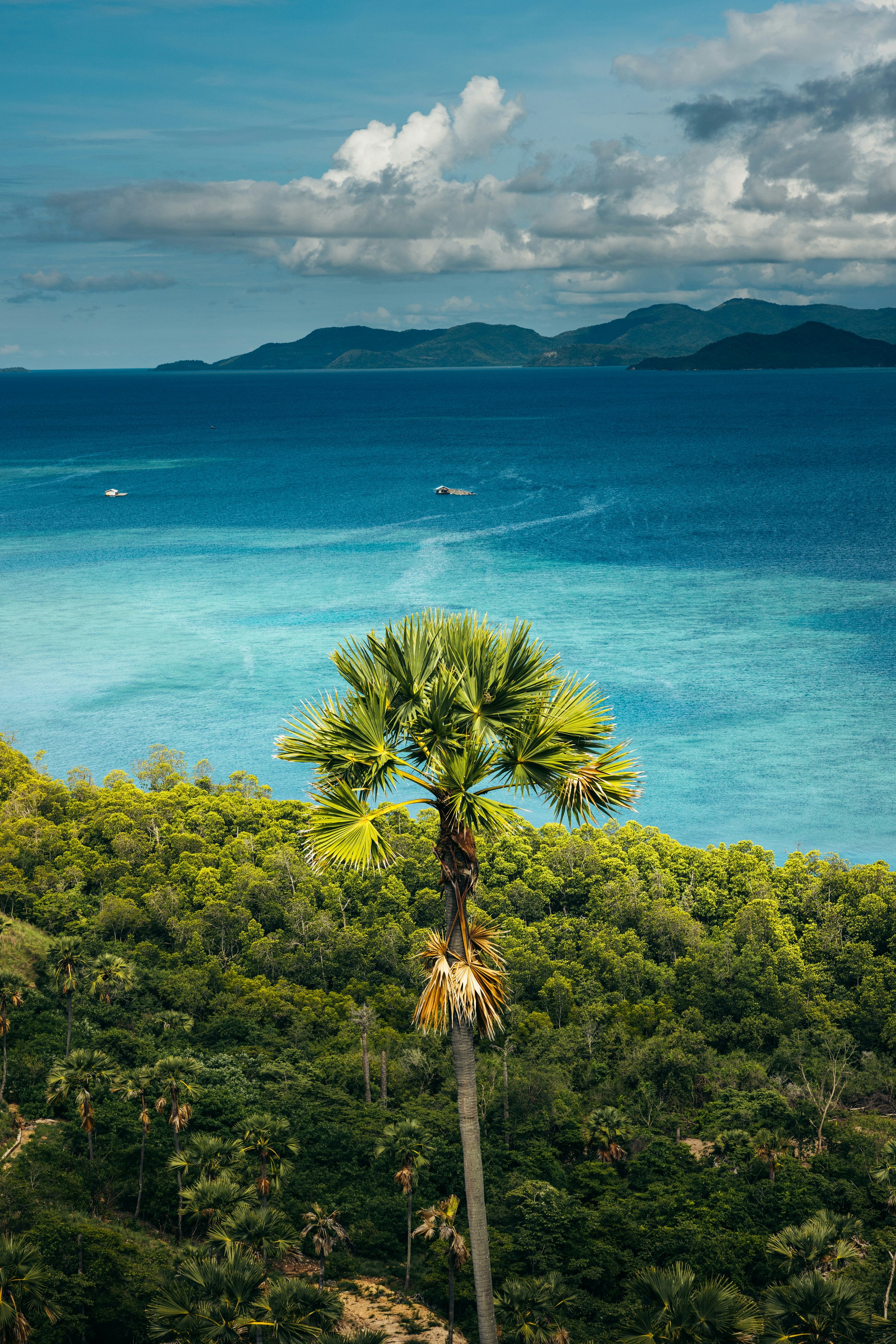
Polynesia
Location
Central and Southern Pacific Ocean
A mixture of mountainous and low-lying islands
Nations
Samoa, Tonga, Tuvalu, American Samoa, French Polynesia, Cook Islands, Niue, Tokelau, and Hawai'i
Population ~ 690,000
Rising Sea Level Impacts
Permanent inundation of land
Displacement of coastal communities
Threatens sovereignty, the survival of culture, and human rights concerns