Pacific Culture
Learn about the cultural significance of the Pacific Islands
Overview of Cultural Significance
The Pacific Islands are home to some of the world’s oldest forms of indigenous culture, shaped over thousands of years by the ocean, land, and communal traditions. Across the regions of Micronesia, Melanesia, and Polynesia, Pacific Island societies share deep connections to ancestry, place, and community.
Pacific Connections to the Ocean
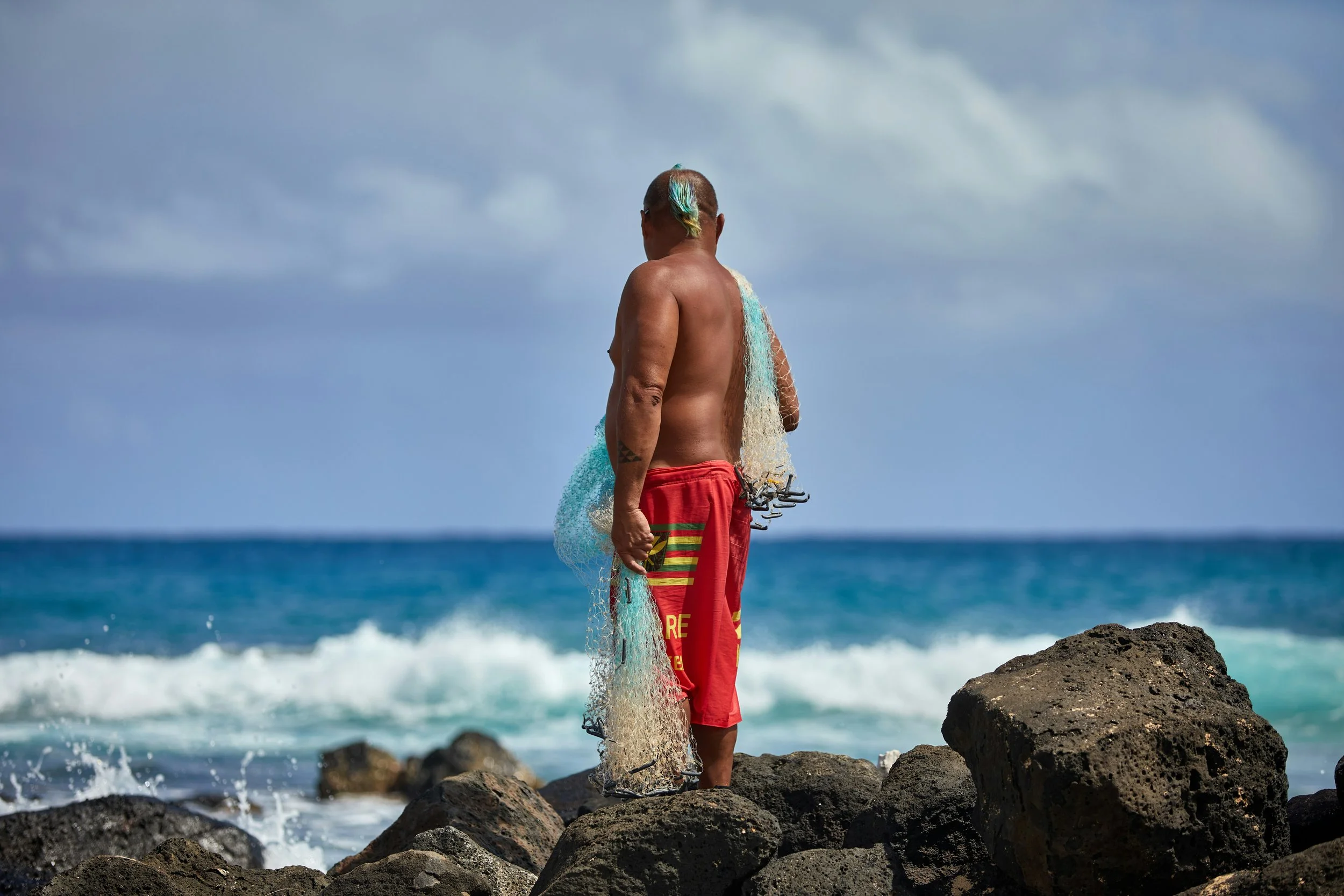
For Pacific Islanders, the ocean has become a source of life, knowledge, and identity. Indigenous Islanders often used the ocean for navigation and developed techniques, such as wayfinding, where Islanders would utilize stars, currents, and wind patterns to travel lengthy distances long before modern technology was invented. Today, Islanders still share deep connections with the Pacific Ocean through practices such as fishing, canoeing, and ocean conservation, ultimately becoming a major piece in shaping Pacific Island culture.
Pacific Connections to the Land
For Pacific Islanders, land serves many purposes in their culture; it is more than just property; it helps shape Pacific history, ancestry, and traditional beliefs. Many Pacific cultures view land as a trust that is held and passed down to future generations. Land also built the Pacific community cultures, as it gives Islanders a sense of cooperation and shared responsibilities with those around them. This connection has been passed down for generations through oral history, storytelling, dances, and ceremonies.
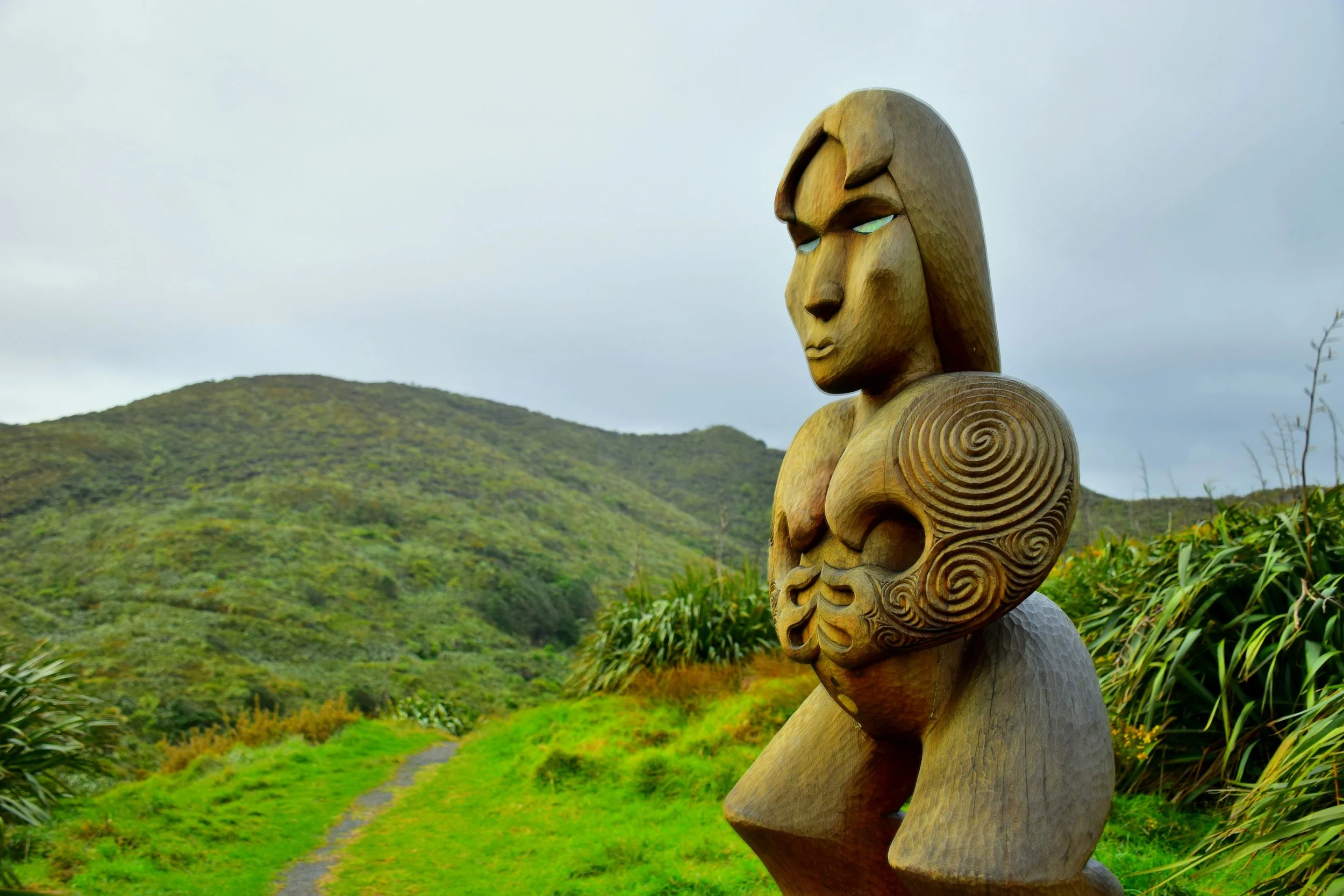
Pacific Traditions, Arts, and Languages
When talking about cultural diversity around the world, the Pacific Islands are not a region you can ignore. This region is incredibly diverse, from its distinct languages to its traditional art forms; the Pacific has made a noticeable cultural impact on the entire world. Traditional music, dances, tattooing, carving, and weaving are not only artistic expressions but also preserve the Pacific’s rich history, cultural values, and social norms.
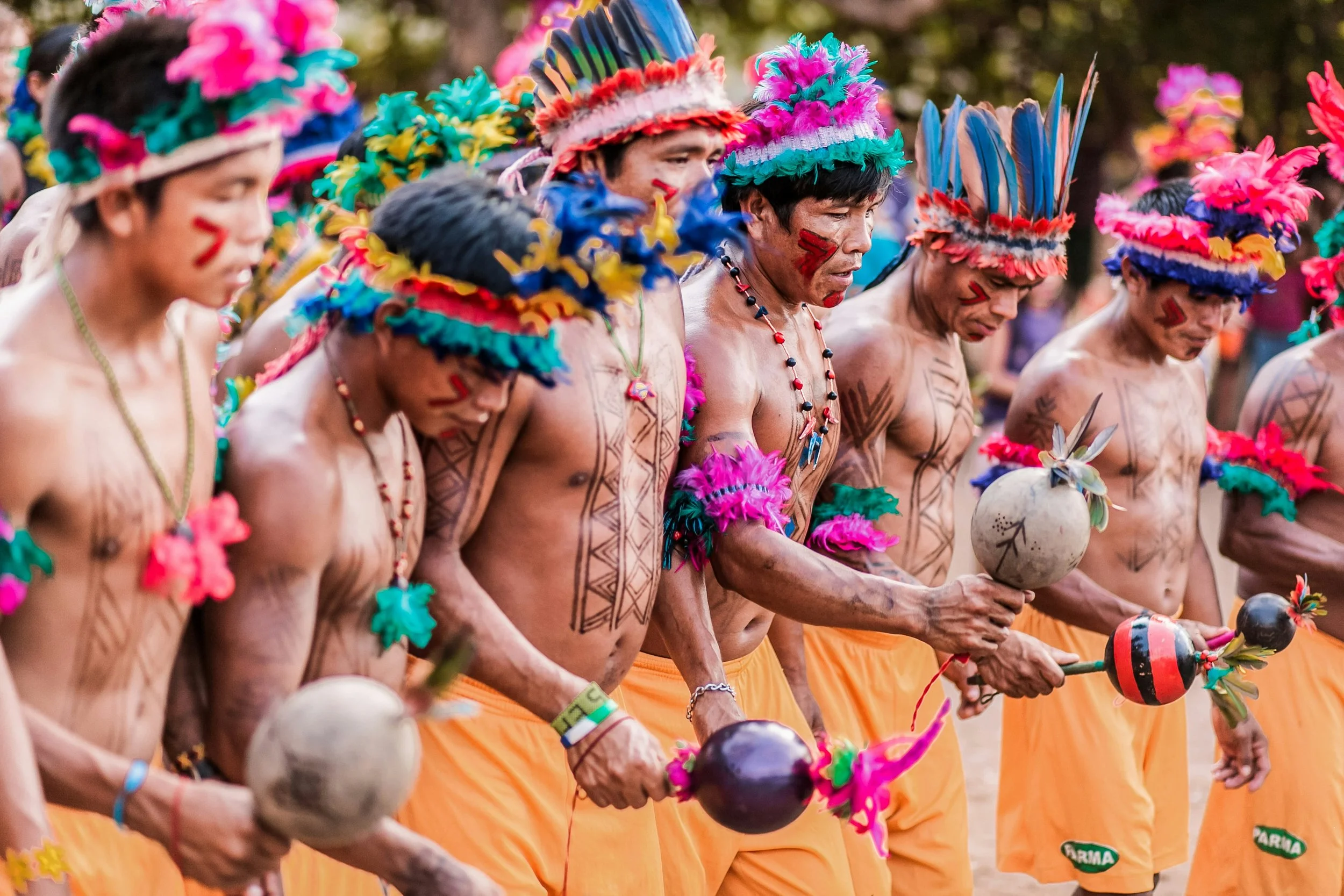
Traditional Music
Fāgogo (Samoan rhythmic storytelling)
ʻOri Tahiti (Tahitian drumming with dancing)
Lakolako (Song and chant forms from Kiribati)
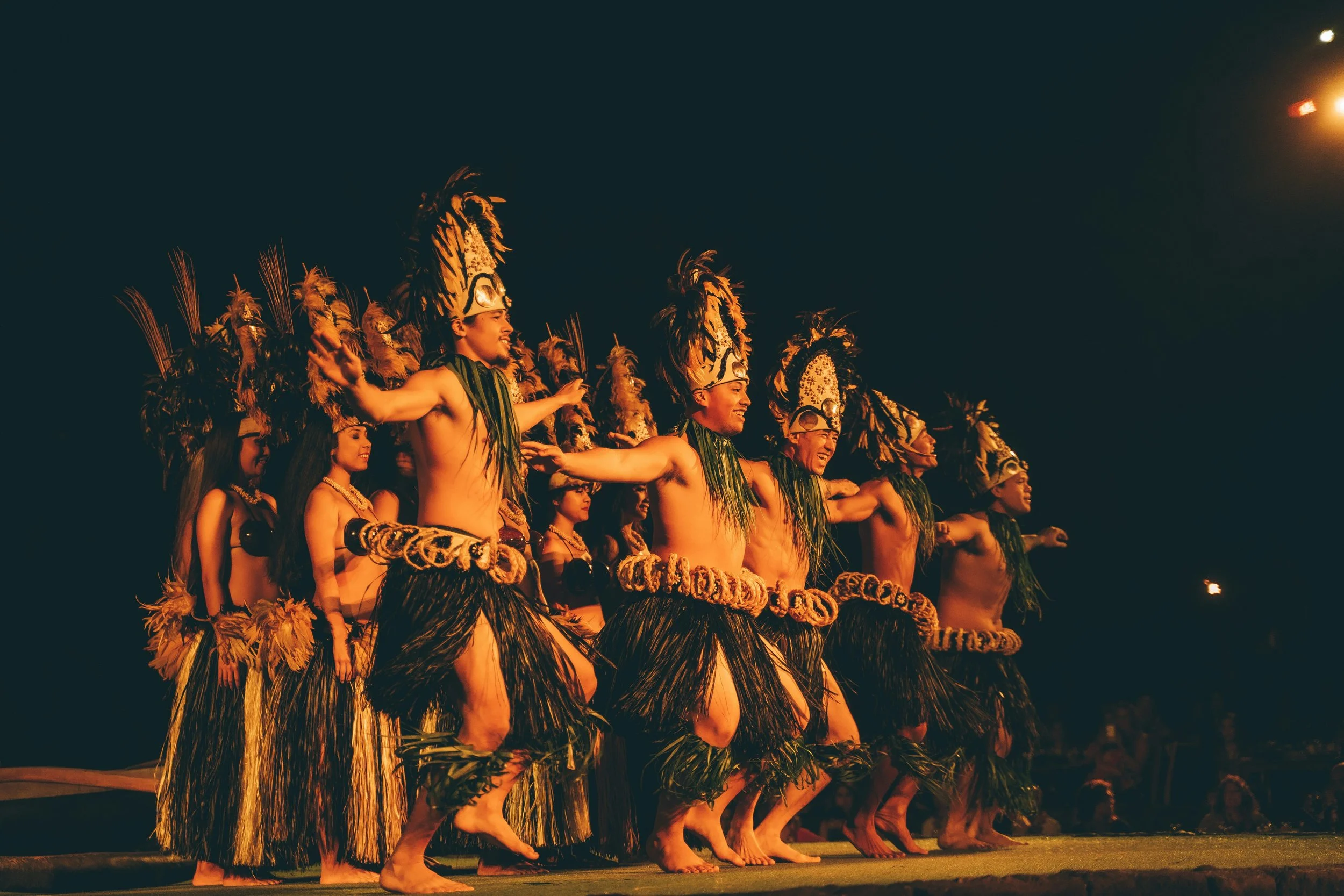
Traditional Dances
Siva (Samoan dance emphasizing storytelling)
Hula (Expressive Hawaiian dance)
Tauʻolunga (Tongan dancing and storytelling)
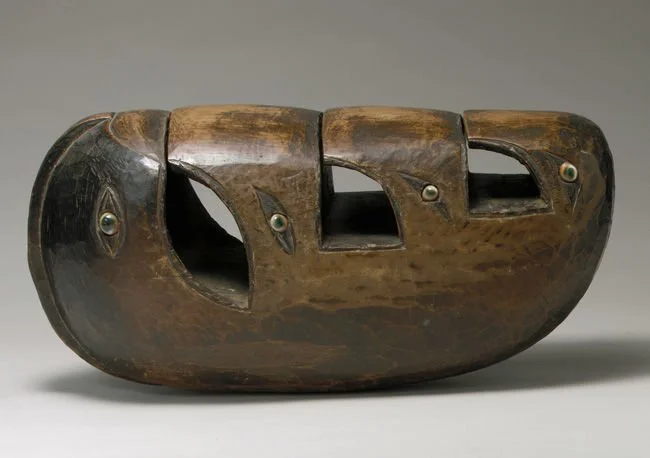
Traditional Arts
Masi (Fijian and Polynesian bark textiles)
Tattoo (Pacific Island decorative body arts)
Shell Carvings (Pacific Island shell arts)
Traditional Language
Māori (Language of people indigenous to Aotearoa)
Gagana (Spoken in Samoa)
Reo Tahiti (Spoken in French Polynesia)