Our Services
What is your donation to Indy Pacifica funded towards?
Our Services
Mangrove Restoration
Marine Conservation
Seagrass Reforestation
Global Advocacy
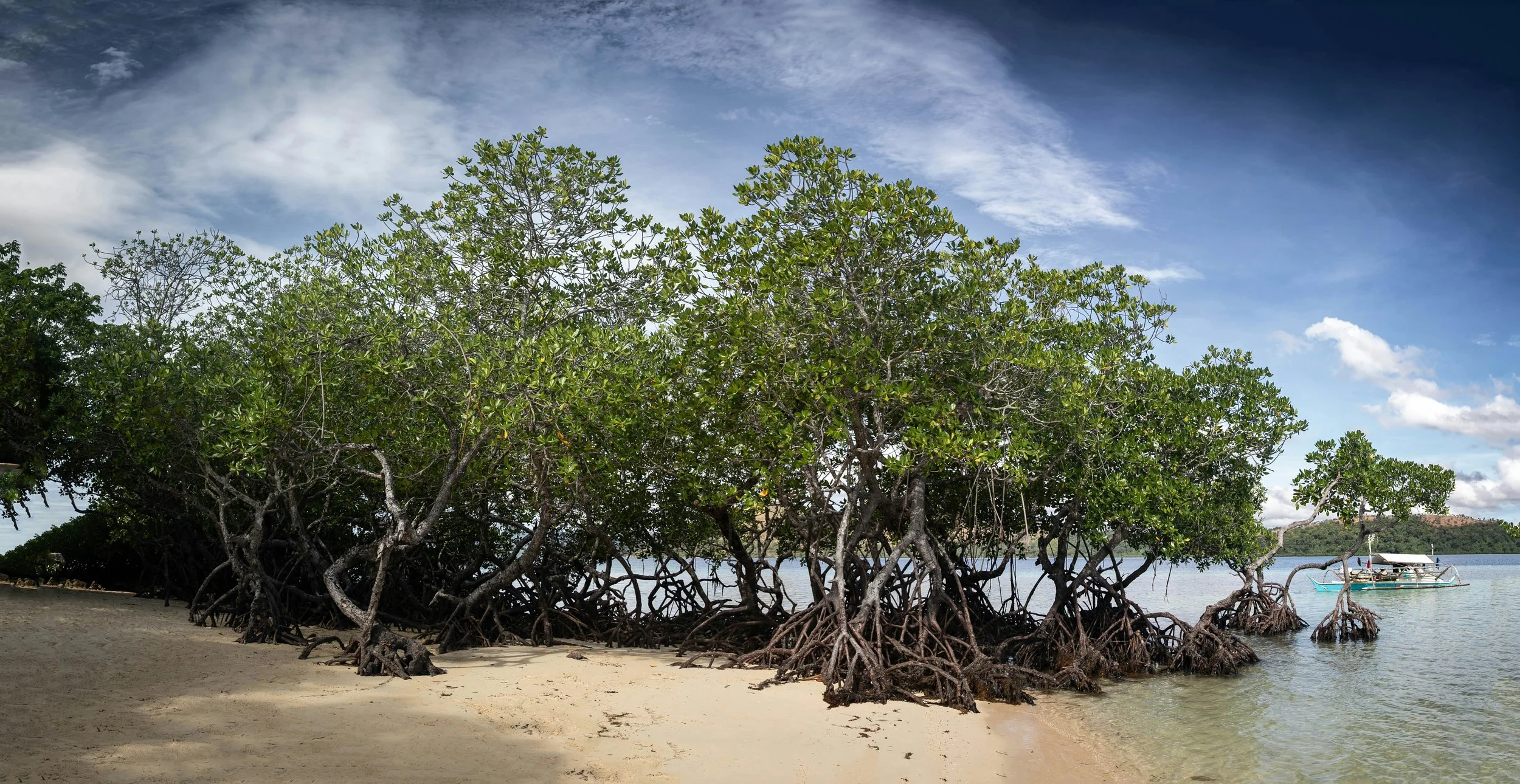
Mangrove Restoration
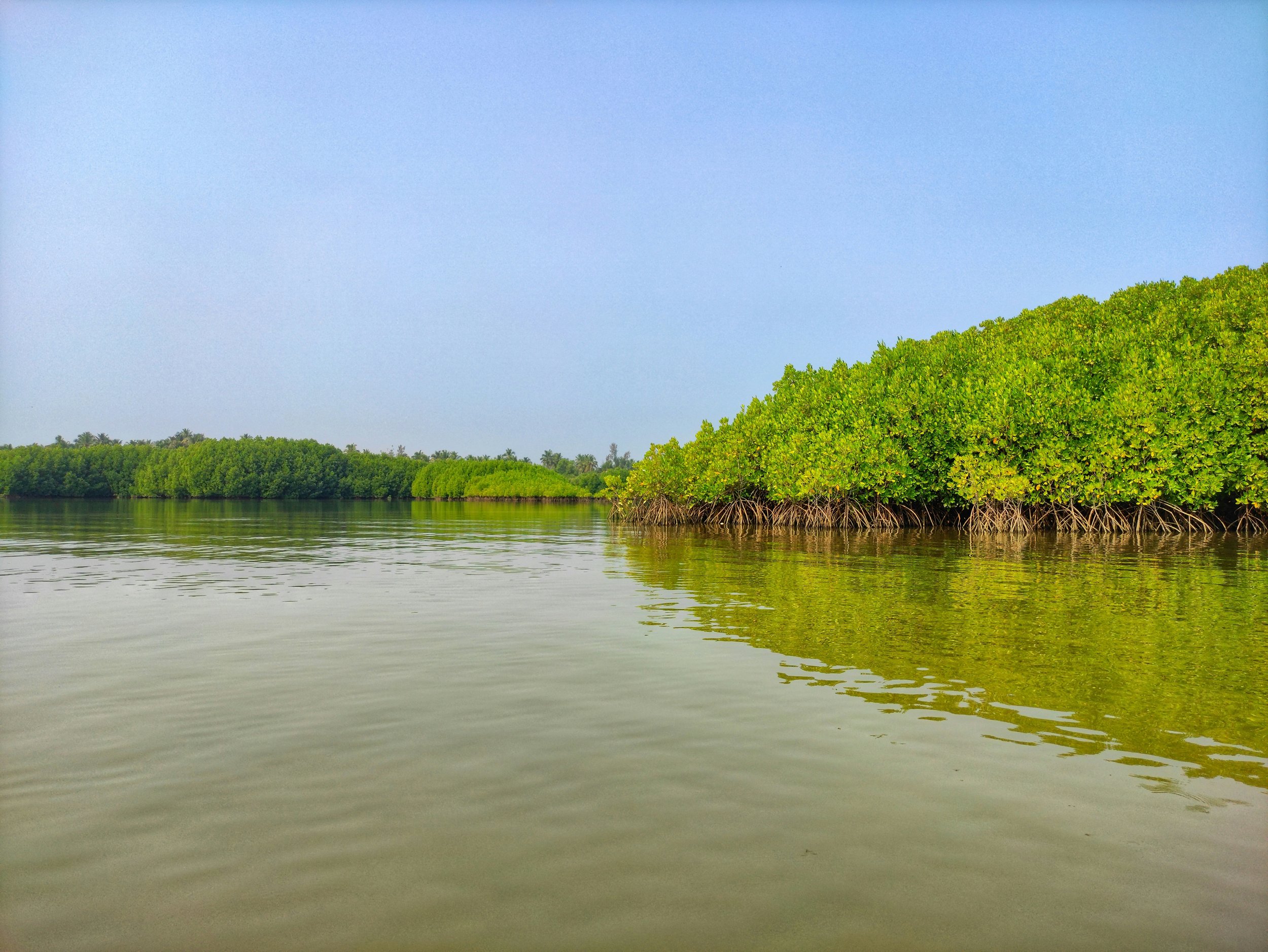
Mangrove restoration is the regeneration of mangrove forests in areas where they previously existed. For the Pacific Islands, mangroves are used as a natural defense system against rising sea levels. Mangroves do this by acting as a shield between land and sea, as their dense roots help hold the coastline in place. Mangroves help reduce soil erosion, absorb strong wave energies caused by storms, and reduce saltwater intrusion into freshwater sources. Mangroves are also cost-effective as they are cheaper to establish, maintain, and restore.
Marine Conservation
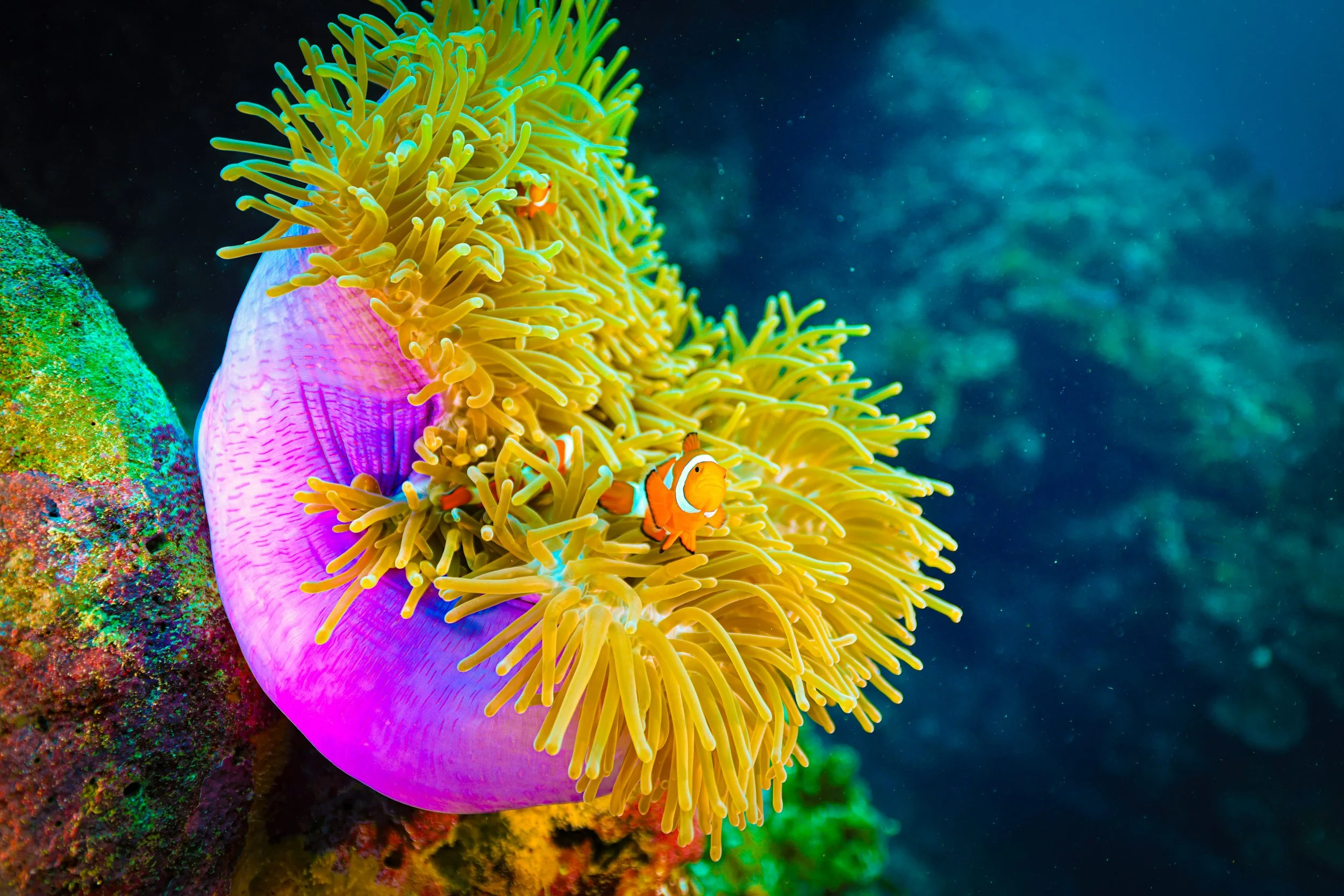
Marine ecosystem conservation works to protect and restore fragile marine habitats in vulnerable climate regions of the Pacific. Coral and marine ecosystems are critical to the Pacific Islands for both food sources and as barriers against rising sea levels. These ecosystems help reduce the effects of climate change by absorbing wave energy, reducing coastal erosion, and stabilizing shorelines. This program ensures that Pacific communities and marine life can thrive in the future while directly fighting against rising sea levels.
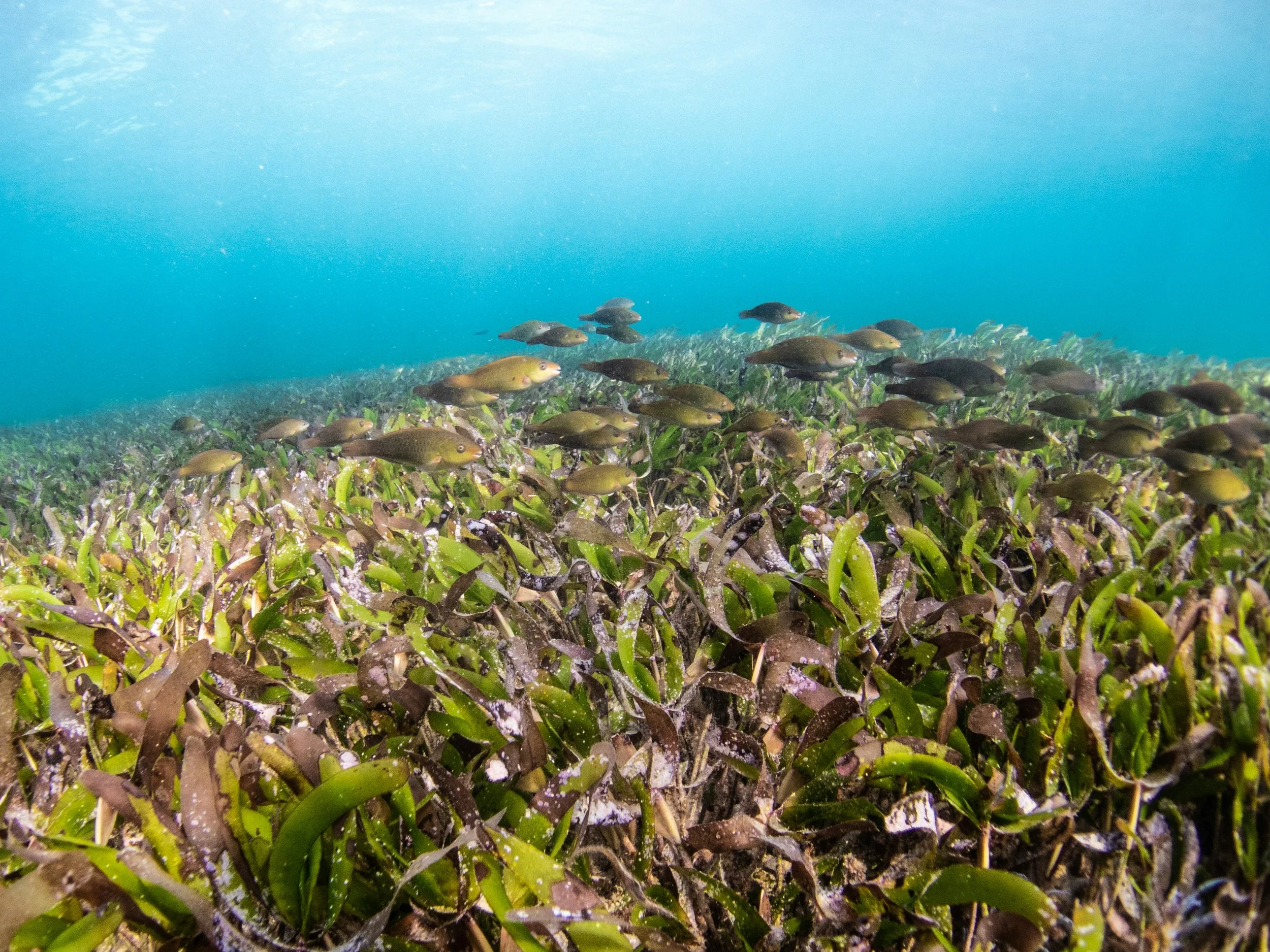
Seagrass Reforestation
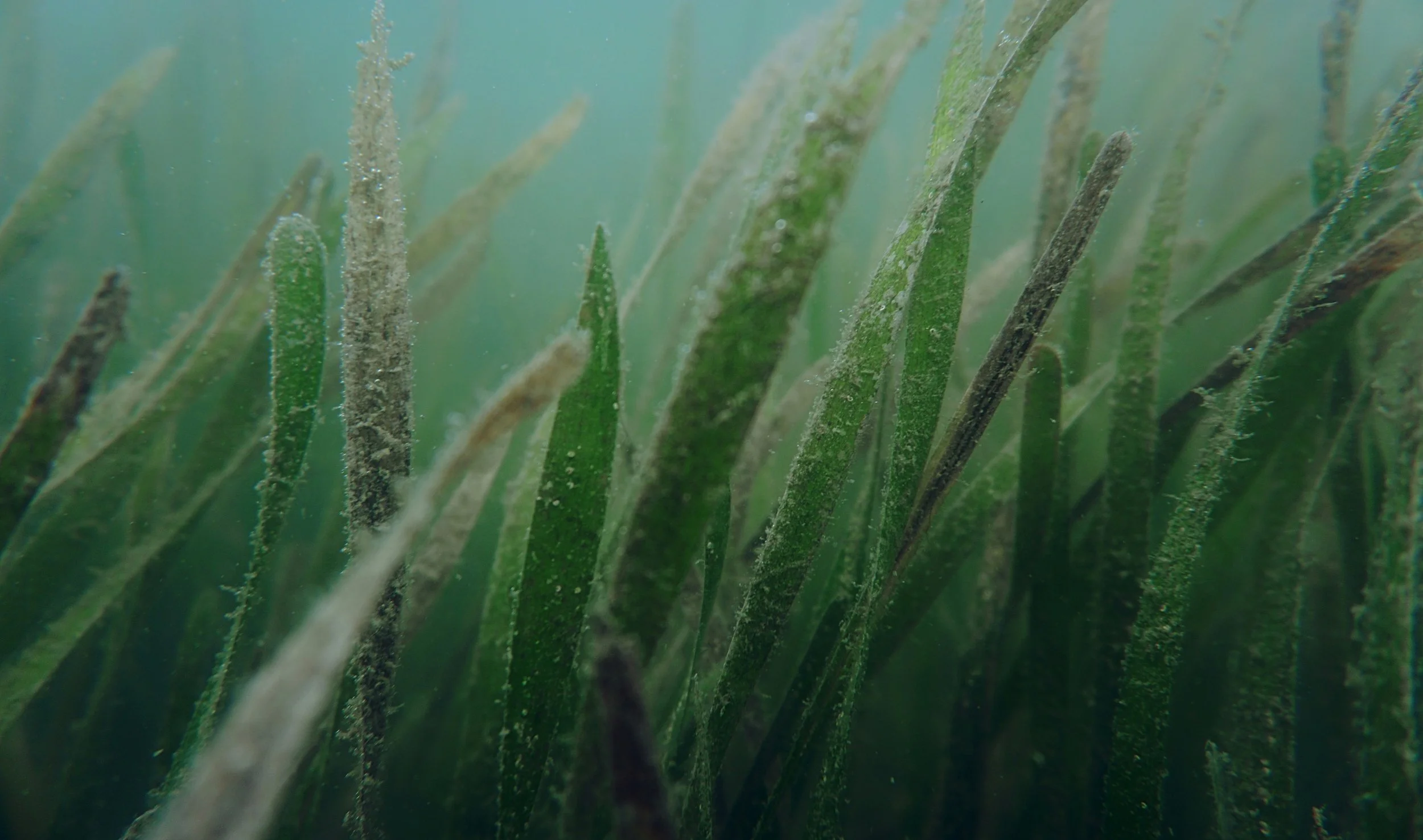
Seagrass meadows sit underwater and play a vital role in reducing rising sea levels through their ability to maintain sedimentary systems and by absorbing intense wave energies caused by storm surges. Seagrass meadows not only benefit Pacific communities on land, but are also important for marine ecosystems, such as fish that use seagrass as nursery grounds. Seagrass meadows are also very beneficial for the environment and can actually reduce climate change through blue carbon (CO2 stored by marine ecosystems), which prevents carbon from being released into our atmosphere.